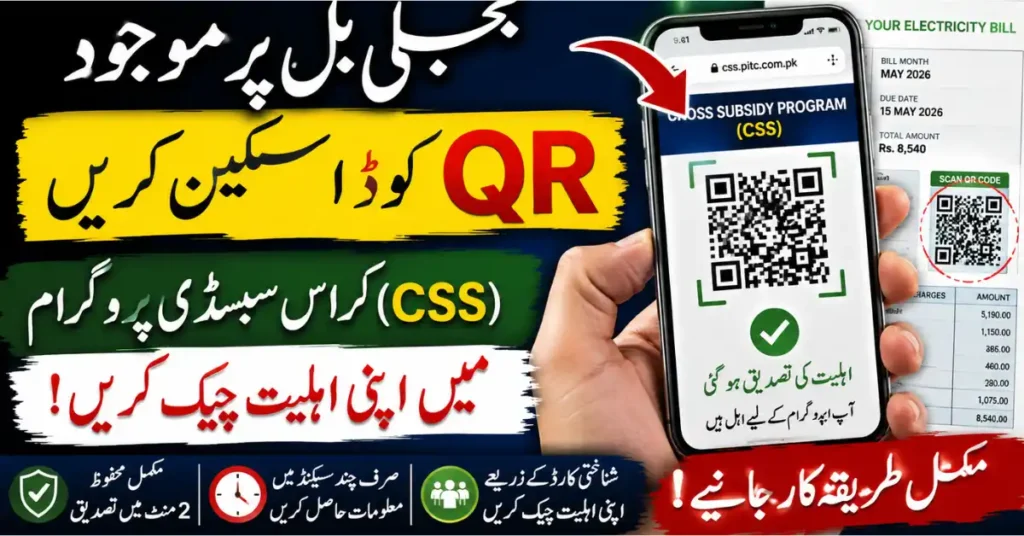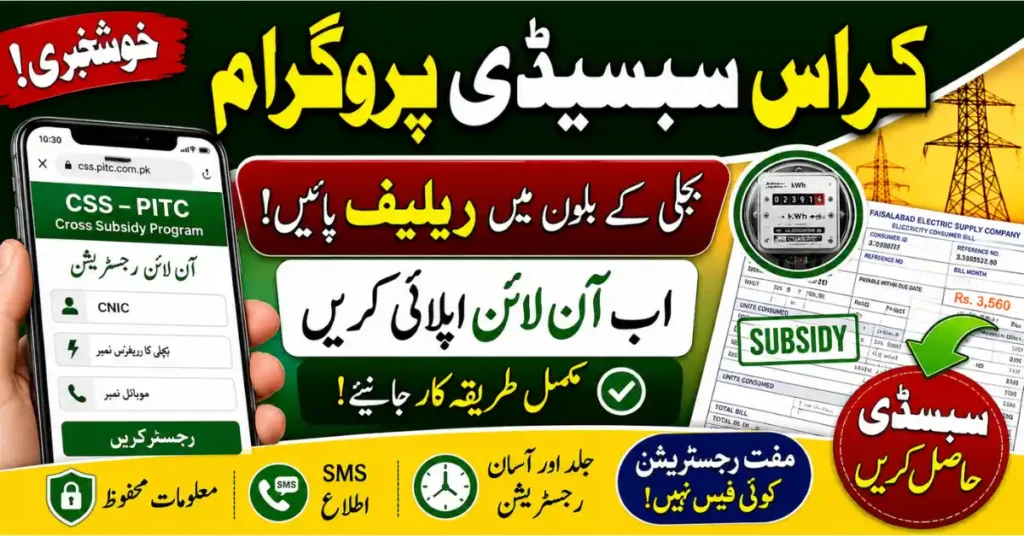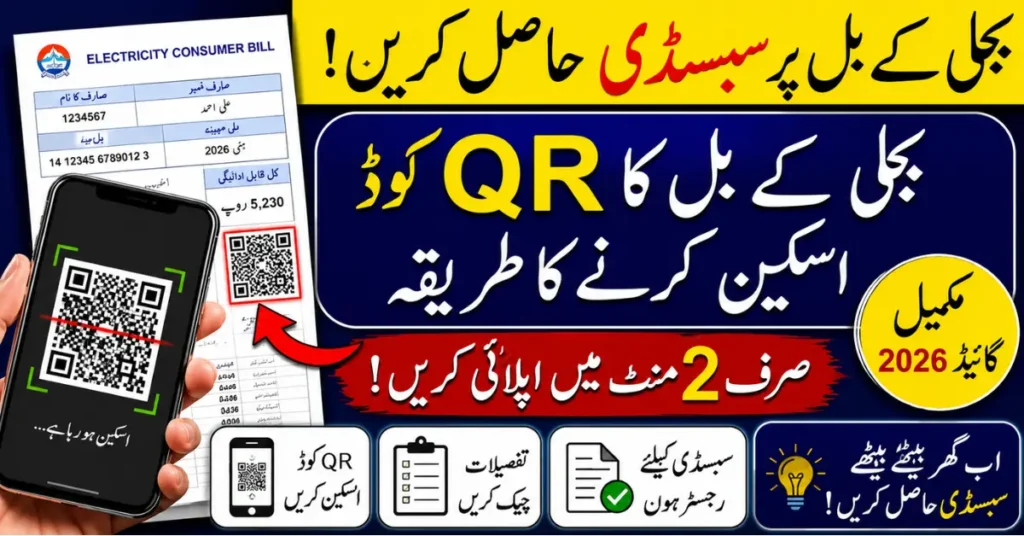

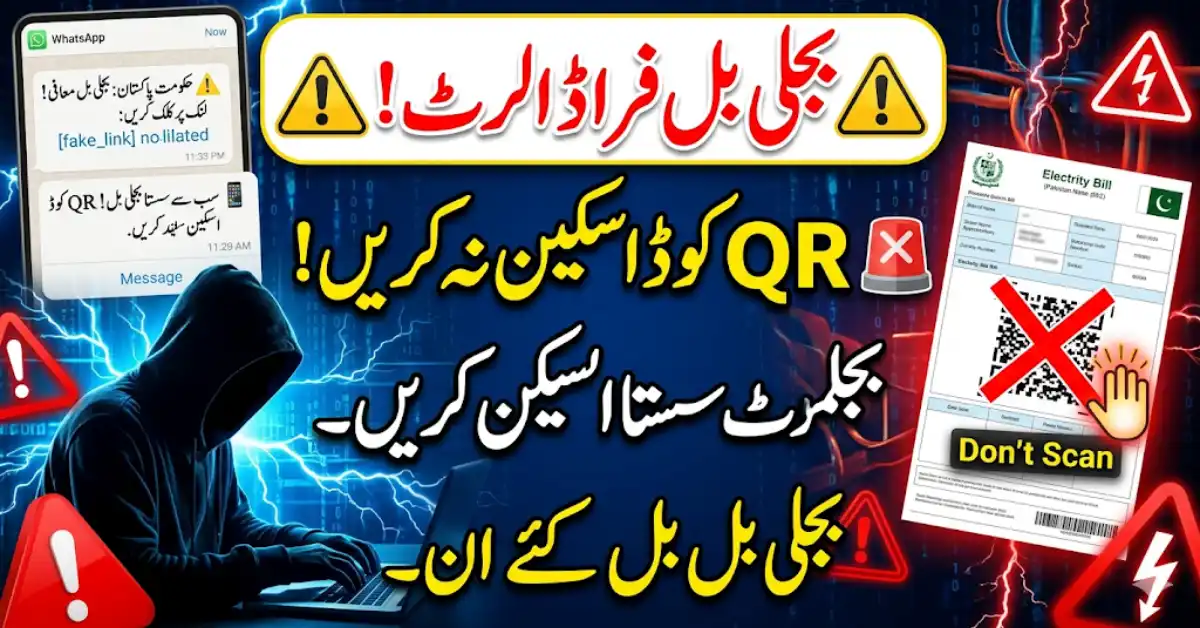
Electricity consumers across Pakistan are being warned about a rising Electricity Bill QR Fraud issue linked to fake subsidy registration campaigns and misleading verification messages. Many users are receiving WhatsApp forwards, social media posts, and unofficial website links asking them to upload or scan the QR code printed on their electricity bills.
Cyber fraud related to utility bills is increasing fast, especially as more families search for electricity relief programs and subsidy schemes. Consumers should stay careful before sharing any electricity bill details online.
What Is Electricity Bill QR Fraud?
The Electricity Bill QR Fraud scam involves fake websites, copied registration portals, and unofficial forms that ask users to provide electricity bill information under the name of subsidy verification or discount approval.
Scammers often claim that consumers can receive electricity relief, subsidy support, or special discounts after submitting their bill QR code. In reality, these campaigns may be designed to collect personal information or misuse account details. Electricity Bill QR Fraud
Many people believe the QR code is only for bill payment, but it may also contain account-related information connected to verification systems.
That is why consumers should never share QR code details with unknown sources.
How Fake Subsidy Scams Are Spreading
Fraudsters are using multiple methods to target electricity users. These scams usually appear professional and may look similar to official government platforms.
Common scam methods include:
Fake Registration Websites
Some websites copy the design of official portals and ask consumers to upload electricity bill screenshots or scan QR codes.
WhatsApp and SMS Messages
Users may receive urgent messages claiming they are eligible for subsidy approval or electricity discounts.
Social Media Posts
Fake Facebook pages and viral posts often spread misleading information about relief schemes and registration deadlines. Electricity Bill QR Fraud
Unofficial Online Forms
Scammers may create online forms asking for CNIC numbers, mobile numbers, and electricity bill details.
Consumers should remember that not every viral message is genuine.
Why Scammers Want Your Electricity Bill Information
The purpose behind these fake campaigns is usually data collection and fraud attempts. Sharing electricity bill details with unknown websites can create serious risks.
Fraud actors may misuse information for:
- Fake subsidy registrations
- Unauthorized account verification
- Personal data collection
- Identity-linked fraud submissions
- Misleading digital applications
Even professional-looking websites can be fake. Cybercriminals often copy logos, colors, and layouts to gain public trust.
Warning Signs of a Fake Subsidy Portal
Consumers should carefully check every website before entering personal information. Several warning signs can help identify suspicious platforms.
Urgent Pressure Tactics
Scammers often use phrases like “limited-time registration” or “last chance for subsidy approval.”
Requests for QR Uploads
Official departments rarely ask users to upload QR codes through random links or social media posts.
Suspicious Website Domains
Fake portals may use unusual domain names that are unrelated to official authorities.
Spelling and Grammar Mistakes
Poorly written content and spelling errors are common signs of fraudulent websites.
Unnecessary Information Requests
Be cautious if a platform asks for sensitive details that are not required for normal verification.
Taking a few moments to verify a source can prevent major problems later.
How Consumers Can Stay Safe Online
Protecting electricity billing information should now be a priority for every consumer. Awareness is one of the strongest defenses against digital scams.
Here are some important safety steps:
Verify Information Through Official Sources
Only trust announcements shared by recognized government departments or electricity providers.
Avoid Sharing Bill Screenshots Publicly
Never post electricity bills or QR codes on social media.
Ignore Suspicious Messages
Do not open unknown links received through WhatsApp, SMS, or Facebook.
Check Website Authenticity
Always confirm that a website belongs to an official authority before entering details.
Do Not Trust Instant Approval Claims
Scammers often promise guaranteed subsidy approval to attract victims quickly.
What To Do If You Already Shared Your QR Code
If you submitted your electricity bill details on an unverified platform, act immediately. Electricity Bill QR Fraud
Recommended steps include:
- Monitor electricity account activity regularly
- Contact your electricity provider if something unusual appears
- Save screenshots of suspicious websites or messages
- Stop further interaction with unknown sources
- Report scam attempts to relevant authorities
Quick action may help reduce possible misuse of your information.
Public Awareness About Utility Scams Is Growing
As more families search for subsidy programs and electricity relief schemes, online scammers continue adapting their tactics. Viral social media posts often create confusion and panic among consumers looking for financial support.
This is why public awareness about Electricity Bill QR Fraud has become extremely important. Consumers should rely only on verified communication and avoid reacting to every online claim.
Reliable information always comes from official channels, not random social media pages or copied websites.
Final Thoughts is Electricity Bill QR Fraud
The rise of Electricity Bill QR Fraud is a serious warning for electricity consumers across Pakistan. Fake subsidy campaigns are using misleading tactics to collect sensitive billing information from the public.
Before scanning, uploading, or sharing any electricity bill QR code, verify the source carefully. Never trust unofficial links, forwarded messages, or fake registration pages promising instant approval.
A small step of caution today can protect your personal information from fraud and misuse in the future.